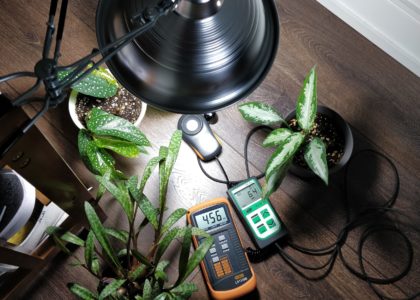
PAR vs. Foot-Candles
Do you really need a PAR meter for houseplant care?

Do you really need a PAR meter for houseplant care?
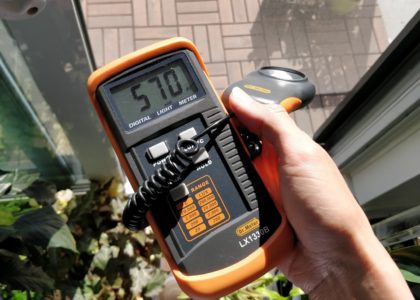
Last time, I talked about making connections between light meter readings with your physical environment. We saw that...
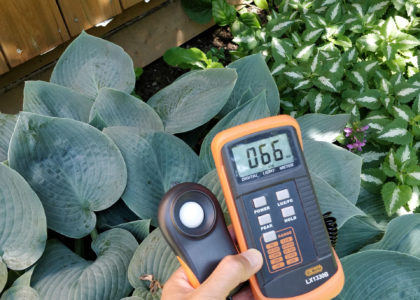
The smart way to get a clear understanding of light is to use a light meter AND relate the readings to your surroundings.
Humidity doesn’t matter as much as you’ve been told…
It’s time for a serious look at our expectations of houseplant care.
The term ‘overwatering’ is stopping you from understanding house plant care…
Creating a fern garden inside my shower
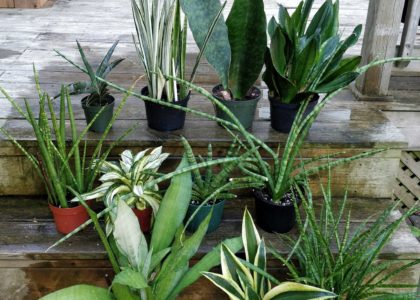
My snake plants enjoy getting a shower outdoors on occasion. This time, I had the privilege of working with Lee Valley Tools to review their Hozelock Pico Reel - a compact sprayer, perfect for small spaces.
Installing a metal trellis to support your Monstera deliciosa.

Here are a few books that I've thoroughly enjoyed - they'll inspire a sense of awe about the intelligence of plant life!
People who know the science of photosynthesis will say that ‘photosynthetically active radiation’ or PAR is the true measure of light for plants. They’ll say that measuring perceived brightness in lux (lumen per square meter) or foot-candles (lumen per square foot) is less accurate because perceived brightness is most sensitive in the green region of the spectrum (550 nm), whereas PAR includes the farther ends of the visible spectrum (blue – around 400 nm and red – around 700 nm).
Knowing this, we must consider: what kind of discrepancy could arise if we were to only measure lux/fc and not PAR? Is there a situation where one type of meter would tell us something different from the other? And would it ultimately matter to our plants?
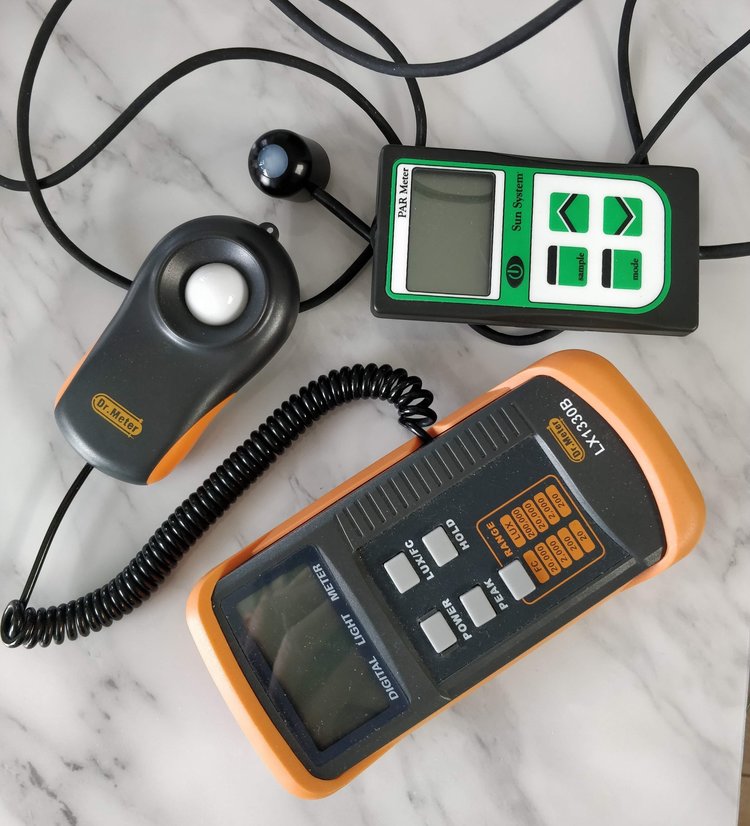
When it comes to natural light, either directly from the sun or ambient light during the day (that is, indirect light), PAR and lux/fc are equivalent.
If we’re dealing with colored grow lights, the answer is simple: don’t ever use a green grow light. A lux/fc meter would tell you a green light is bright but the PAR meter would say there isn’t much useful light here – in theory. But since I have both types of meters, why don’t we try an experiment…
In a rough, qualitative manner, here’s my hypothesis:
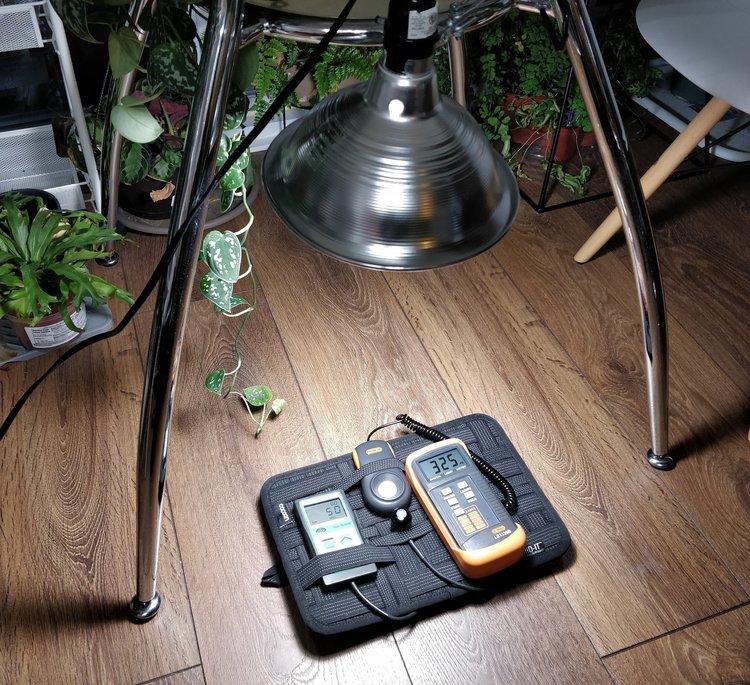
Method: Using color filters to narrow the wavelengths of light reaching the sensors, I moved the sensors at a distance from the light source to get the same foot-candle reading across all colors while seeing what the PAR meter would display.
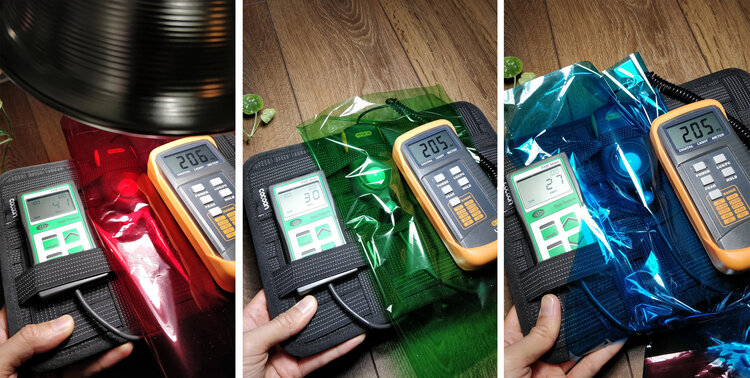
Red filter: 206 foot-candles; 41 μmol/(m²⋅s)
Green filter: 205 foot-candles; 30 μmol/(m²⋅s)
Blue filter: 205 foot-candles; 27 μmol/(m²⋅s)
Interpretation: when you normalize for perceived brightness (foot-candles), the red light was the only color to show a discrepancy – that the lux/fc meter was not very sensitive to red light. Surprisingly, the green filter did not lower the PAR value as I would have thought.
After this analysis, let me give you 2 reasons why foot-candles will suffice for casual houseplant growers (like me):
Finally, on a practical note, while I do have both types of light meters, I couldn’t justify recommending a three hundred dollar device when a 40 dollar device will do. Unless you’re a commercial grower who has a large proportion of red LEDs and needs a specific yield from a crop, you won’t be led astray using foot-candles.
Affiliate links – thank you SO much for supporting the work of House Plant Journal!
A practical light meter for houseplant parents – regular lux/fc meter.
A super-fancy PAR meter – Sun Systems PAR Meter.
For next time: the only quantitative way to answer the question “how much light is my plant getting?” is with DLI (Daily Light Integral…and why I’ve never needed to answer that question)

